Every day a qualified candidate waits for an interview slot is a day they might accept a competing offer. For enterprise recruiters and talent acquisition teams managing hundreds of open roles, interview scheduling delays are not just a minor inconvenience. They are a systemic failure that drives up time-to-hire and pushes top talent away. The best AI recruitment tools available today are specifically designed to eliminate this bottleneck by automating coordination, enabling voice-based pre-screening, and syncing calendars in real time. This blog breaks down exactly how they do it and what to look for when choosing the right solution for your team. Learn more about modern recruitment automation on the RecruitmentBricks platform.
Key Takeaways
- Manual interview scheduling creates costly delays that directly reduce hiring speed and candidate retention.
- The best AI recruitment tools automate slot booking, calendar syncing, and pre-screening through voice bots for pre screening and intelligent workflows.
- AI recruitment software with real-time integrations reduces back-and-forth coordination and prevents candidate drop-offs at scale.
Why Interview Scheduling Becomes a Bottleneck at Scale
When hiring volumes are low, manual scheduling is manageable. A recruiter sends a few emails, confirms a time, and moves on. But at scale, with dozens of interviewers across multiple teams and time zones, the same process becomes a logistics nightmare.
Consider a talent acquisition team filling 50 roles simultaneously. Each role may require two or three interview rounds involving different hiring managers. That means hundreds of individual scheduling actions per week, each one dependent on multiple calendars aligning perfectly. A single unavailable interviewer can delay an entire pipeline by days.
Multi-stakeholder delays compound the problem further. When a hiring manager, a technical lead, and an HR partner all need to be present, finding a common slot through email threads is painfully slow. Candidates experience this as disorganization. Many of them disengage or accept other offers while your team is still trying to confirm a meeting link.
According to research published by SHRM, a slow hiring process is one of the top reasons candidates withdraw from consideration. Scheduling inefficiency sits at the center of that problem.
Limitations of Traditional Recruitment Processes
Traditional recruitment processes rely heavily on human coordination for tasks that can and should be automated. Recruiters spend a significant portion of their day on administrative work: sending calendar invites, chasing confirmations, rescheduling missed calls, and manually updating candidate records. This leaves less time for the strategic work that actually improves hire quality.
Lack of automation is the most obvious gap. Without automated scheduling tools, every interview requires a recruiter to act as a middleman. This creates a dependency on individual attention and availability, which does not scale.
Poor visibility into pipeline status makes the problem worse. When interview schedules are tracked in spreadsheets or fragmented across email inboxes, hiring managers and HR leaders have no clear view of where each candidate stands. Bottlenecks go undetected until candidates drop off entirely.
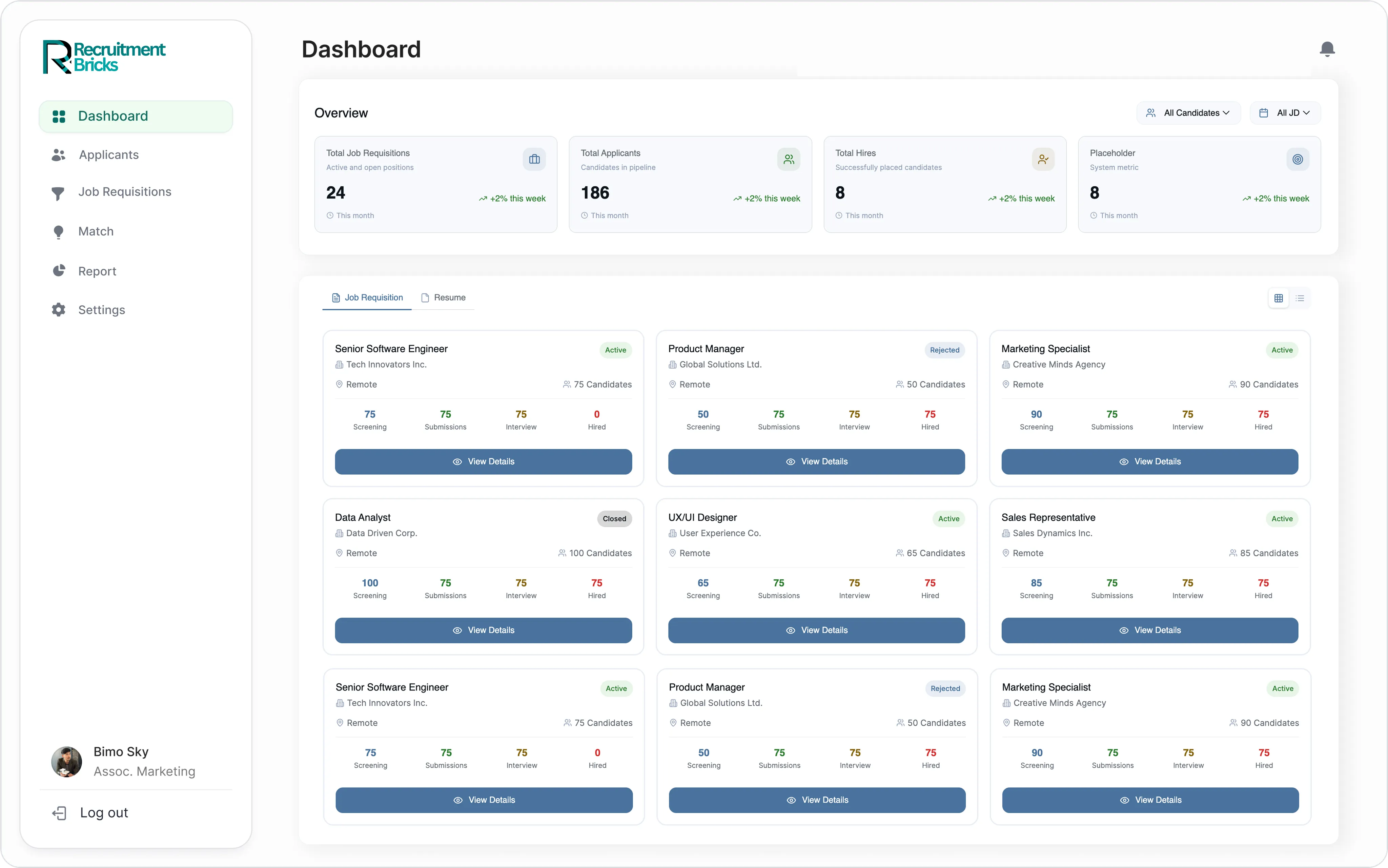
The ai hiring process model replaces these reactive, manual workflows with proactive, automated systems that surface the right action at the right time. Platforms like RecruitmentBricks are built specifically to address these gaps through a modular, action-enabled approach to recruitment. You can explore the full capabilities of this approach on the RecruitmentBricks features page.
How the Best AI Recruitment Tools Solve Scheduling Delays
The best AI recruitment tools do not just digitize existing manual processes. They redesign the entire coordination workflow from the ground up. Here is how the most impactful capabilities work in practice.
Automated Interview Scheduling
Automated interview scheduling removes the recruiter from the coordination loop entirely. Candidates receive a self-scheduling link where they can view available slots and book directly based on interviewer availability. The system confirms the booking, sends reminders, and reschedules automatically if a conflict arises.
This eliminates the back-and-forth email chain that typically delays scheduling by two to five business days. For high-volume hiring, where hundreds of interviews need to be booked weekly, this level of automation can compress scheduling timelines from days to hours. RecruitmentBricks supports auto-scheduling of interviews as part of its candidate engagement workflow, ensuring that candidates move through the pipeline without unnecessary delays.
Voice Bots for Pre-Screening
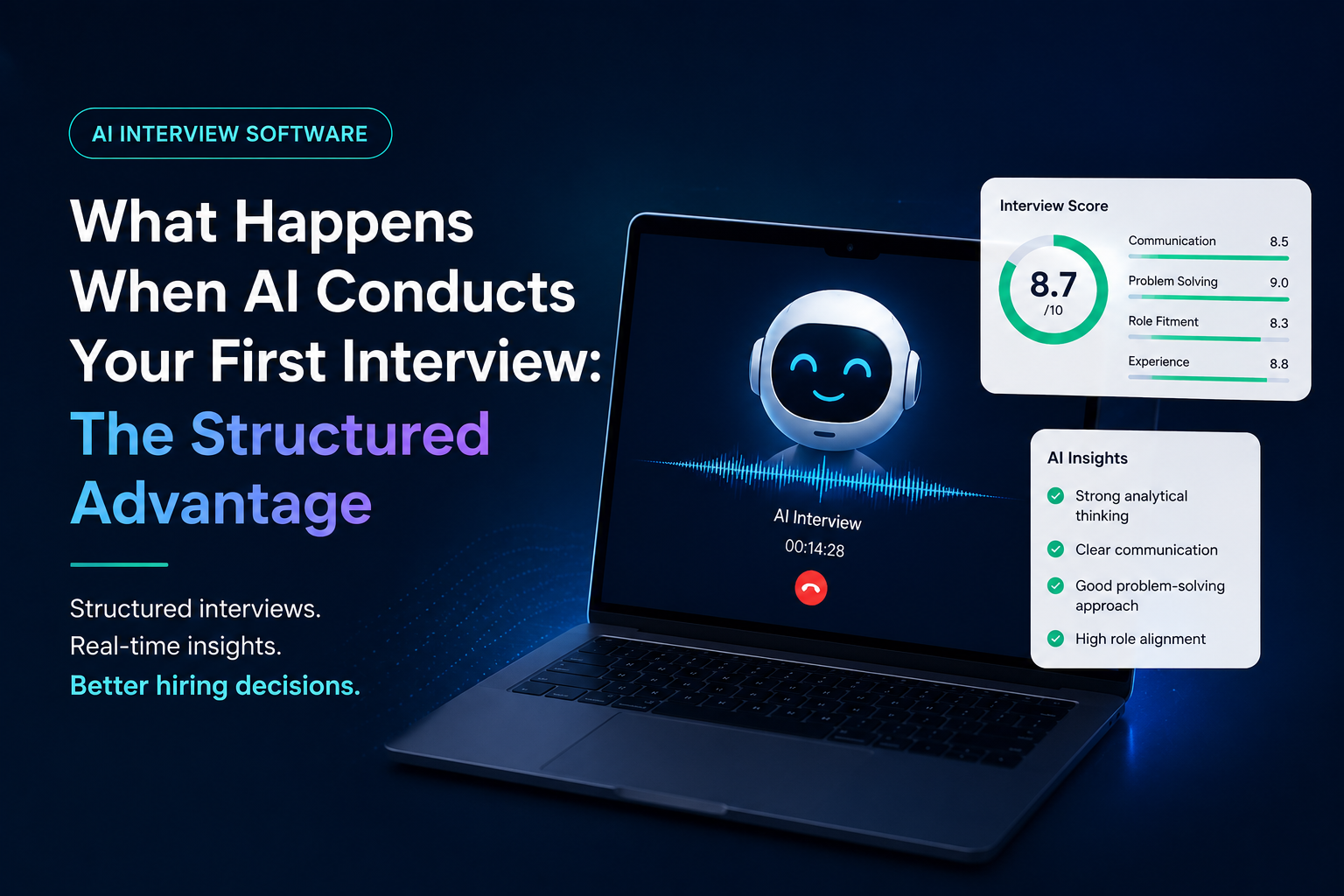
Voice bots for pre screening add another layer of automation before the interview even needs to be scheduled. Instead of waiting for a recruiter to manually review resumes and make qualification calls, an AI-driven voice bot conducts a structured screening conversation with each applicant.
The bot asks role-specific questions generated from the job description, scores responses, and passes only qualified candidates to the next stage. This means interviewers spend their time only on candidates who have already demonstrated a baseline fit. It also means pre-screening can happen at any time of day, removing the constraint of recruiter working hours from the earliest stages of the pipeline.
RecruitmentBricks offers a VoiceBot that conducts structured voice interviews with AI-driven scoring. The system generates custom interview questions based on both the resume and the job description, making pre-screening faster and more consistent. You can see this capability in action by visiting the RecruitmentBricks demo page.
Real-Time Calendar Integration
Even the best scheduling automation fails if it cannot read and write to real calendars in real time. Automated voice interview software and scheduling platforms must integrate directly with the calendar systems used by interviewers, not just show a static availability window.
Real-time calendar integration means that when a candidate books a slot, the system checks live availability, blocks the time on the interviewer's calendar, and sends confirmation instantly. If an interviewer cancels or reschedules, the system automatically offers the candidate an alternative slot without recruiter involvement. This level of integration is what separates true ai interview software from basic scheduling tools. RecruitmentBricks connects with existing ATS, HRMS, and CRM tools to deliver this end-to-end workflow coherence. Explore the available connections on the RecruitmentBricks integrations page.
Business Impact of AI Recruitment Tools
The operational benefits of deploying ai recruitment software translate directly into measurable business outcomes. Faster scheduling means shorter time-to-hire. Shorter time-to-hire means competitive offers reach candidates before they go elsewhere.
Reduced candidate drop-offs are one of the most significant results. When candidates experience a smooth, responsive hiring process, they are more likely to stay engaged. Automated reminders, instant confirmations, and seamless rescheduling all contribute to a candidate experience that reflects well on the employer brand.
Faster hiring cycles also reduce the cost of open roles. Every day a critical position remains unfilled, it has a measurable impact on team productivity and revenue. AI-driven scheduling and screening tools compress the earliest and most delay-prone stages of the hiring funnel, giving organizations a real competitive advantage in tight talent markets.
RecruitmentBricks reports that its platform has helped match over 100,000 candidates and that clients have experienced up to 60% faster time-to-hire, though individual results will vary based on implementation and context.
What to Look for in AI Recruitment Software
Not all ai recruitment software delivers the same value. When evaluating options, talent acquisition leaders should assess the following criteria carefully.
- Automation depth: Does the platform automate the full scheduling workflow, including reminders, rescheduling, and confirmations, or only part of it?
- Voice screening capability: Does the tool include voice bots for pre screening that score candidates based on structured, role-specific conversations?
- Calendar and ATS integration: Can the platform connect with your existing calendar, ATS, and HRMS systems without requiring a full technology replacement?
- Scalability: Is the system built to handle hundreds or thousands of simultaneous scheduling actions across multiple teams?
- Candidate experience: Does the platform communicate with candidates through the channels they prefer, such as WhatsApp or email, with timely and personalized messages?
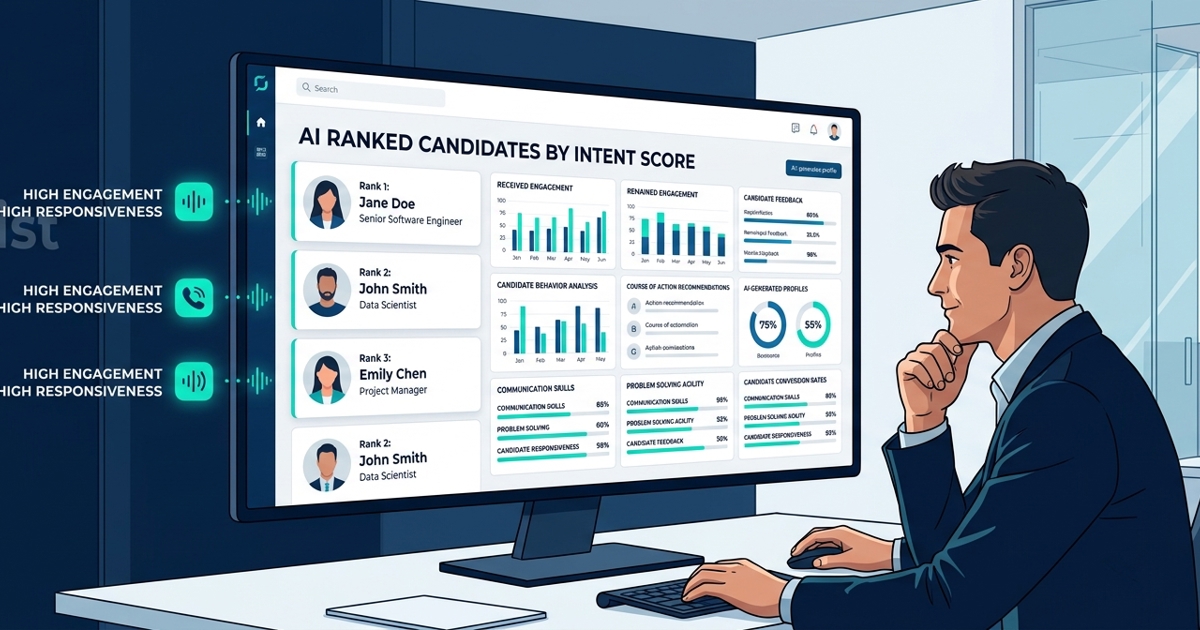
- Pipeline visibility: Does the platform give hiring managers and HR leaders a real-time view of where every candidate sits in the process?
- Compliance and bias reduction: Are the AI-driven scoring and matching features designed to reduce bias and support fair hiring practices?
Conclusion
Interview scheduling delays are one of the most preventable causes of slow hiring and candidate loss. For enterprise teams managing large-scale recruitment, manual coordination simply cannot keep pace with the speed that modern talent markets demand. The best AI recruitment tools solve this by automating scheduling, deploying voice bots for pre-screening, and integrating directly with the calendars and systems your team already uses. The result is a faster, more consistent, and more candidate-friendly hiring process. If your organization is ready to eliminate scheduling bottlenecks and move top candidates through the pipeline without delay, explore what AI recruitment software for enterprise teams can do for your hiring speed and efficiency today.
FAQs
What causes interview scheduling delays in high-volume hiring?
In high-volume hiring, scheduling delays occur because multiple stakeholders must align on availability across shared calendars. Manual coordination through email creates bottlenecks that push back interview timelines by days, directly increasing time-to-hire and candidate drop-off rates.
How do the best AI recruitment tools automate interview scheduling?
The best AI recruitment tools provide self-scheduling links, check live calendar availability, send automated confirmations, and handle rescheduling without recruiter involvement. This removes the coordination loop entirely and compresses scheduling timelines from days to hours.
What are voice bots for pre-screening and how do they work?
Voice bots for pre-screening are AI-driven tools that conduct structured voice conversations with applicants before a human interview. They ask role-specific questions, score responses automatically, and pass only qualified candidates forward, allowing screening to happen around the clock.
How does automated voice interview software reduce candidate drop-offs?
Automated voice interview software keeps candidates engaged by moving them through pre-screening quickly and consistently. Candidates receive instant feedback, timely reminders, and smooth scheduling experiences that reflect well on the employer brand and reduce disengagement during the hiring process.
What is the difference between AI interview software and basic scheduling tools?
AI interview software integrates live calendar data, conducts voice-based pre-screening, scores candidates automatically, and connects with ATS and HRMS systems. Basic scheduling tools only manage time slots without understanding candidate qualifications or pipeline context, making them far less effective at scale.
Can AI recruitment software integrate with existing ATS and HRMS systems?
Yes, leading AI recruitment software is designed to connect with existing ATS, HRMS, and CRM platforms. RecruitmentBricks supports end-to-end workflow integration so teams can adopt AI capabilities without replacing their current Google-connected recruitment infrastructure.
How does the AI hiring process improve candidate experience?
The AI hiring process improves candidate experience by delivering fast responses, personalized communication, and seamless scheduling. Candidates no longer wait days for a confirmation email. Automated nudges and real-time updates keep them informed, which significantly increases their confidence in the hiring organization.
Is AI recruitment software suitable for small teams or only enterprise hiring?
AI recruitment software benefits teams of all sizes, but the impact is most significant at scale. Platforms like RecruitmentBricks use a modular approach, meaning smaller teams can adopt specific features such as voice screening or auto-scheduling capabilities without committing to a full enterprise deployment from day one.
What role do WhatsApp integrations play in AI-driven recruitment workflows?
WhatsApp integrations allow recruiters to continue candidate engagement after voice pre-screening through a channel candidates already use daily. Automated messages, interview confirmations, and feedback nudges sent via WhatsApp improve response rates and keep candidates active in the pipeline without additional recruiter effort.
How can HR leaders evaluate which AI recruiting tool is right for their organization?
HR leaders should assess automation depth, voice screening capability, calendar and ATS integration, scalability, and pipeline visibility. Attending industry events focused on HR technology, such as those listed on the RecruitmentBricks events page, can also help teams benchmark the latest tools and solutions.