Recruitment automation software is transforming how organizations identify, screen, and hire talent. If your hiring pipeline stalls between job posting and offer letter, you are not alone. Manual processes, slow communication, and fragmented tools create bottlenecks that cost time and top candidates. This blog explores how recruitment process automation addresses these pain points, what features matter most, and how platforms like RecruitmentBricks are helping teams hire smarter, faster, and with far less friction.
Key Takeaways
- Recruitment automation software eliminates manual delays by automating screening, scheduling, and candidate engagement at scale.
- Customizable hiring workflows allow teams to tailor automation to their specific roles, stages, and business needs without overhauling existing systems.
- Full stack hiring automation connects sourcing, screening, interviewing, and analytics into one unified pipeline, reducing time-to-hire significantly.
Why Hiring Bottlenecks Happen in the First Place
Most hiring delays are not caused by a shortage of candidates. They stem from disconnected processes, repetitive manual tasks, and poor visibility into pipeline health. Recruiters spend hours reviewing resumes, chasing interview confirmations, and updating spreadsheets instead of making strategic decisions.
When screening is manual, qualified candidates wait days for a response. That wait often means they accept another offer. According to SHRM, the average time-to-hire across industries continues to rise, putting pressure on HR teams to act faster without sacrificing quality. Bottlenecks at the screening stage, the scheduling stage, and the feedback stage compound quickly. The result is a pipeline that looks busy but moves slowly.
This is exactly where hiring automation software creates the most immediate impact. By automating high-volume, low-judgment tasks, recruiters can focus their energy on decisions that actually require human insight.
What Recruitment Automation Software Actually Does
Understanding the real scope of automation helps teams choose the right tools and set realistic expectations. Recruitment automation software does not simply post jobs or send templated emails. At its best, it acts as an intelligent layer across the entire hiring lifecycle.
Key capabilities of a modern automation platform include the following:
- AI-powered candidate screening through structured voice interviews and automated scoring
- Resume and job description parsing with real-time explainable match scores
- Auto-scheduling of interviews with confirmation and reminder nudges
- WhatsApp and messaging outreach to keep candidates engaged after initial screening
- Reverse resume matching to surface internal talent for open roles
- Pipeline analytics that track sourcing effectiveness and engagement health
Platforms like RecruitmentBricks bring these capabilities together under one roof. Their full suite of features is designed to be modular, meaning teams can adopt the tools that address their specific bottlenecks without being forced into a rigid system.
The Role of Customizable Hiring Workflows in Fixing Bottlenecks
A customizable hiring workflow is one of the most underrated features in recruitment technology. No two organizations hire the same way. A startup hiring its first engineering team operates differently from an enterprise scaling a sales function across multiple regions. A rigid, one-size-fits-all workflow creates its own bottlenecks.
When workflows are customizable, recruiters can map automation to the actual stages of their hiring process. They can decide which roles trigger a VoiceBot screening, which ones go directly to a hiring manager review, and when WhatsApp follow-ups should fire. This level of control ensures that automation supports the process rather than disrupting it.
RecruitmentBricks is built on a modular philosophy, inspired by the idea of stackable building blocks. Teams pick the features relevant to their needs and integrate them into their existing flow. This approach respects the fact that hr automation tools should adapt to the organization, not the other way around. Learn more about how this works on the integrations page, which shows how the platform connects with existing ATS, HRMS, and CRM systems.
Full Stack Hiring Automation: Connecting Every Stage
Full stack hiring automation means every stage of the hiring funnel is connected, visible, and optimized. Most HR teams use a patchwork of tools: one for sourcing, another for scheduling, a spreadsheet for tracking, and email for communication. This fragmentation creates handoff delays and blind spots.
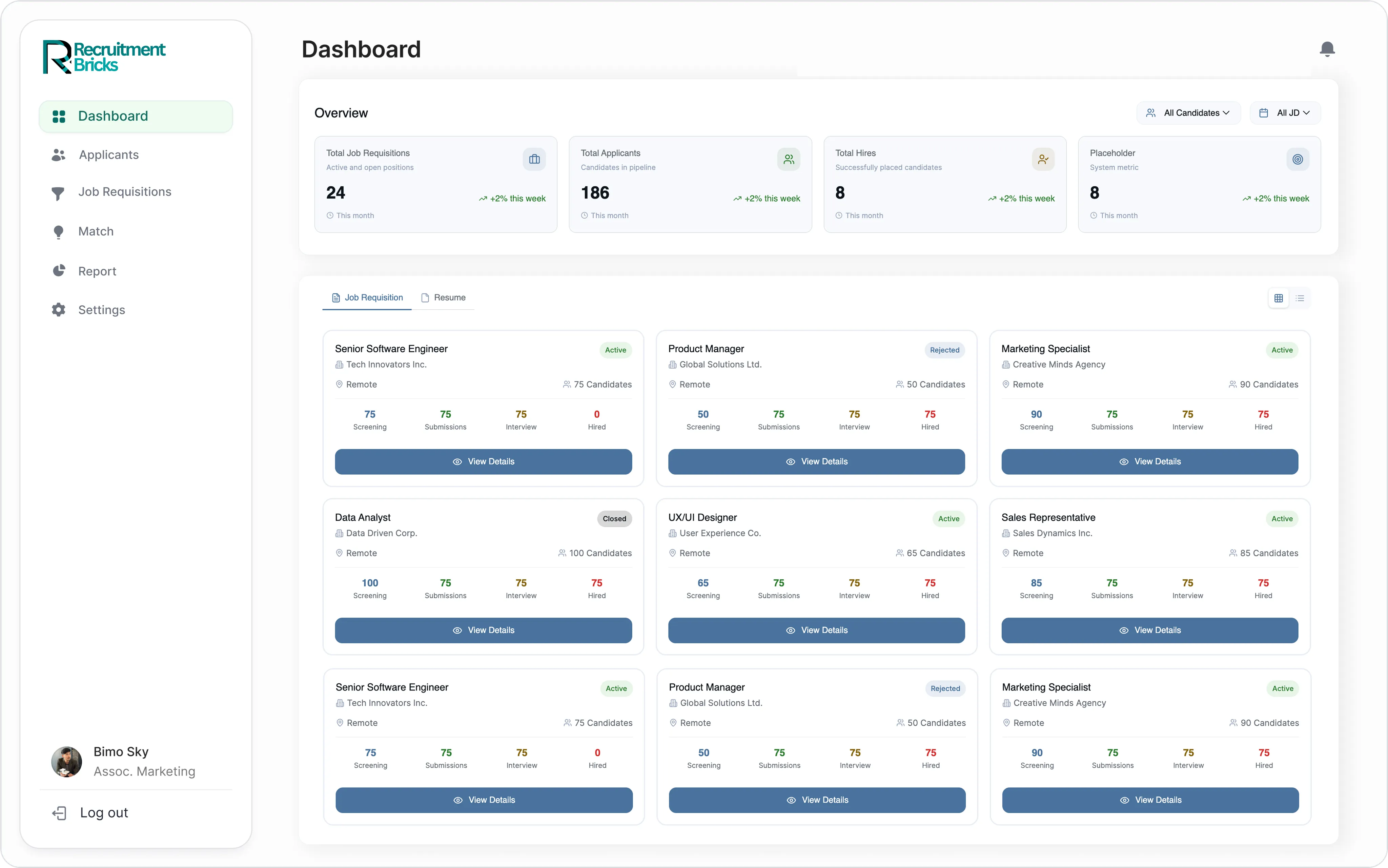
A full stack approach solves this by unifying the pipeline. When a candidate applies, their resume is parsed instantly. An AI match score is generated and explained. If the score meets a threshold, the VoiceBot conducts a structured screening interview automatically. Results are logged, scored, and surfaced to the recruiter with a recommended next action. Scheduling, engagement, and feedback all follow within the same system.
This connected pipeline is what allows platforms like RecruitmentBricks to support a reported 60% faster time-to-hire. For a deeper look at how enterprise teams benefit from this approach, read the post on AI recruitment software for enterprise teams. The key is that nothing falls through the cracks because the system keeps every stakeholder informed and every candidate moving forward.
HR Automation Tools That Keep Recruiters in Control
One concern that often surfaces when teams consider hr automation tools is whether automation will reduce the human element in hiring. The short answer is: it should not, and it does not have to.
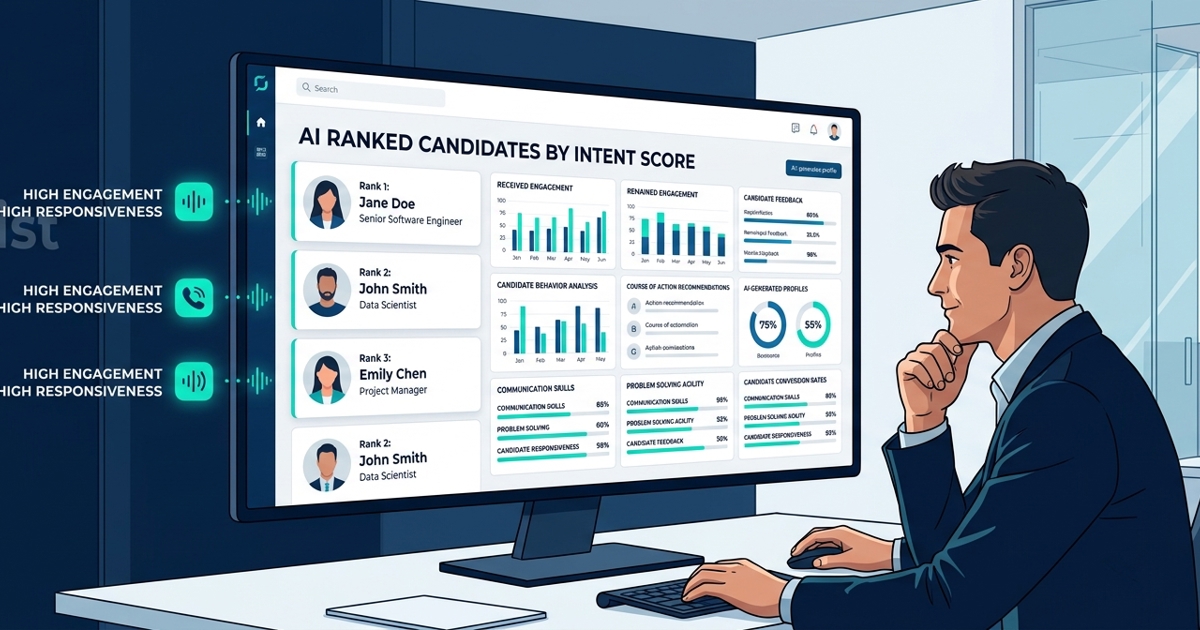
The best automation tools are designed to amplify recruiter judgment, not override it. When AI surfaces a ranked list of candidates with explainable match scores, the recruiter still makes the call. When a VoiceBot completes a structured interview, a human reviews the results before moving a candidate forward. Automation handles the repetitive, time-sensitive tasks so that recruiters can spend more time on relationship-building, stakeholder alignment, and quality assessment.
RecruitmentBricks describes itself as an 'action-enabled talent mobilizer.' This means the platform does not just analyze data; it tells recruiters what the best next step is and then helps them execute it. That combination of intelligence and action is what separates truly useful recruitment process automation from tools that simply create more dashboards to manage. To understand the people and philosophy behind this approach, visit the About Us page.
Conclusion
Hiring bottlenecks are a solvable problem. Recruitment automation software gives organizations the tools to move faster, engage better, and make smarter decisions at every stage of the hiring funnel. From AI-powered screening and customizable workflows to full stack pipeline visibility, the right platform removes friction without removing human judgment. RecruitmentBricks is built precisely for this purpose: to help recruiters act with speed, clarity, and confidence. If your team is ready to fix what is slowing your hiring down, request a demo today and see how automation can transform your pipeline.
FAQ
What is recruitment automation software?
Recruitment automation software automates repetitive hiring tasks like resume screening, interview scheduling, and candidate communication. It helps recruiters work faster and focus on high-value decisions. Learn more at RecruitmentBricks Features.
How does recruitment process automation reduce time-to-hire?
Recruitment process automation removes manual delays by instantly parsing resumes, scoring candidates, and triggering follow-up actions. This keeps candidates moving through the pipeline without waiting for manual intervention at every stage.
What are the most common hiring bottlenecks automation can fix?
The most common bottlenecks include slow resume screening, delayed interview scheduling, poor candidate communication, and lack of pipeline visibility. Automation addresses all of these by handling repetitive tasks quickly and consistently at scale.
Can hiring automation software integrate with existing ATS or HRMS tools?
Yes. Most modern hiring automation platforms are built to integrate with existing ATS, HRMS, and CRM systems. RecruitmentBricks integrations connect seamlessly with your current tech stack to avoid workflow disruption.
What is a customizable hiring workflow and why does it matter?
A customizable hiring workflow lets teams tailor automation to match their specific hiring stages, role types, and approval processes. This flexibility ensures automation supports your process rather than forcing your team to adapt to a rigid system.
Does full stack hiring automation replace human recruiters?
No. Full stack hiring automation handles repetitive, time-sensitive tasks so recruiters can focus on relationship-building and final decisions. The goal is to assist human judgment with data and speed, not to remove people from the hiring process.
What HR automation tools does RecruitmentBricks offer?
RecruitmentBricks offers a VoiceBot for AI screening, reverse resume matching, WhatsApp outreach, auto-scheduling, explainable match scores, and pipeline analytics. These tools work together as a modular, stackable hiring automation platform.
Is AI-powered candidate screening reliable for high-volume hiring?
AI-powered screening is particularly effective for high-volume roles where manually reviewing every application is impractical. Structured voice interviews and explainable match scores ensure consistency and reduce bias in early-stage candidate evaluation.
How does WhatsApp outreach fit into recruitment automation?
WhatsApp outreach keeps candidates engaged after initial screening by sending timely updates, interview reminders, and feedback nudges. It improves candidate experience and reduces drop-off rates during the hiring process.
How do I get started with recruitment automation at my organization?
The best starting point is identifying your biggest hiring bottleneck and selecting tools that address it directly. You can request a demo with RecruitmentBricks to explore which automation features fit your team's needs.