Candidate engagement platform technology has become one of the most important investments a hiring team can make. When candidates go silent after their first interview, or stop responding between screening and offer stages, recruiters face a costly problem. Mid-funnel drop-offs are not always caused by better competing offers. More often, they happen because candidates feel ignored, uninformed, or disconnected from the process. This blog explains why mid-funnel drop-offs occur and how the right engagement tools can stop them before they happen.
Key Takeaways
- Mid-funnel drop-offs are largely caused by poor communication and long silences between hiring stages, not just competing offers. A candidate engagement platform automates timely follow-ups, interview scheduling, and status updates to keep candidates warm and interested.
- Combining automated hiring platform features like chatbot outreach, WhatsApp messaging, and AI scoring reduces recruiter workload while improving the candidate experience across every funnel stage.
- Candidate engagement strategies that use behavioral signals and pipeline data help recruiters prioritize high-intent candidates before they disengage, turning engagement into a measurable hiring outcome.
Why Mid-Funnel Drop-Offs Happen in the First Place
The mid-funnel stage is where candidates have passed initial screening but have not yet received an offer. This window is critical and often the most neglected. Recruiters are busy managing multiple roles, so follow-up communication slows down. Candidates interpret that silence as disinterest and start exploring other opportunities aggressively.
According to research from SHRM, a significant percentage of candidates withdraw from hiring processes simply because they did not hear back in a reasonable timeframe. The problem is not always a lack of interest. It is a lack of candidate engagement strategies that keep the conversation going. Without consistent touchpoints, even the most interested candidates lose confidence in the employer.
Common reasons for mid-funnel drop-off include delayed interview scheduling, no status updates between rounds, vague timelines, and impersonal communication. These are all solvable problems. The solution lies in systematic, automated engagement built into the hiring workflow.
What a Candidate Engagement Platform Actually Does
A candidate engagement platform is designed to maintain consistent, meaningful communication with candidates across every stage of the hiring funnel. It does not replace the recruiter. Instead, it ensures that no candidate is left waiting too long without a response, an update, or a next step.
Platforms like RecruitmentBricks integrate engagement directly into the recruitment pipeline. This includes automated WhatsApp outreach, interview auto-scheduling, feedback nudges, and real-time follow-up triggers. When a candidate completes a voice screening, the platform can automatically send a personalized message through WhatsApp confirming next steps. This kind of proactive communication keeps candidates engaged without adding to the recruiter's manual workload.
The key advantage is consistency. Human recruiters can forget to follow up during busy periods. An automated hiring platform does not. Every candidate at every stage receives the right message at the right time, regardless of how many open roles the team is managing simultaneously.
How a Chatbot for Recruitment Automation Reduces Drop-Offs
One of the most effective tools within a candidate engagement platform is a chatbot for recruitment automation. Chatbots handle the high-frequency, low-complexity communication tasks that often fall through the cracks. They confirm interview times, answer common questions about the role, collect additional documents, and send reminders before scheduled calls.
Candidates interact with chatbots through familiar channels like WhatsApp or web chat. This lowers the barrier to communication and makes the process feel accessible rather than bureaucratic. A well-designed chatbot keeps candidates in the loop 24 hours a day, across time zones, without requiring a recruiter to be online. The result is a hiring experience that feels responsive and human, even when it is largely automated.
RecruitmentBricks uses WhatsApp-based outreach as a core part of its engagement layer, ensuring candidates receive timely messages after each stage of the process. This kind of persistent, low-friction communication is a proven method for reducing mid-funnel attrition. You can explore how these capabilities connect within the full platform features to understand the breadth of automation available.
The Role of AI in Keeping the Hiring Funnel Moving
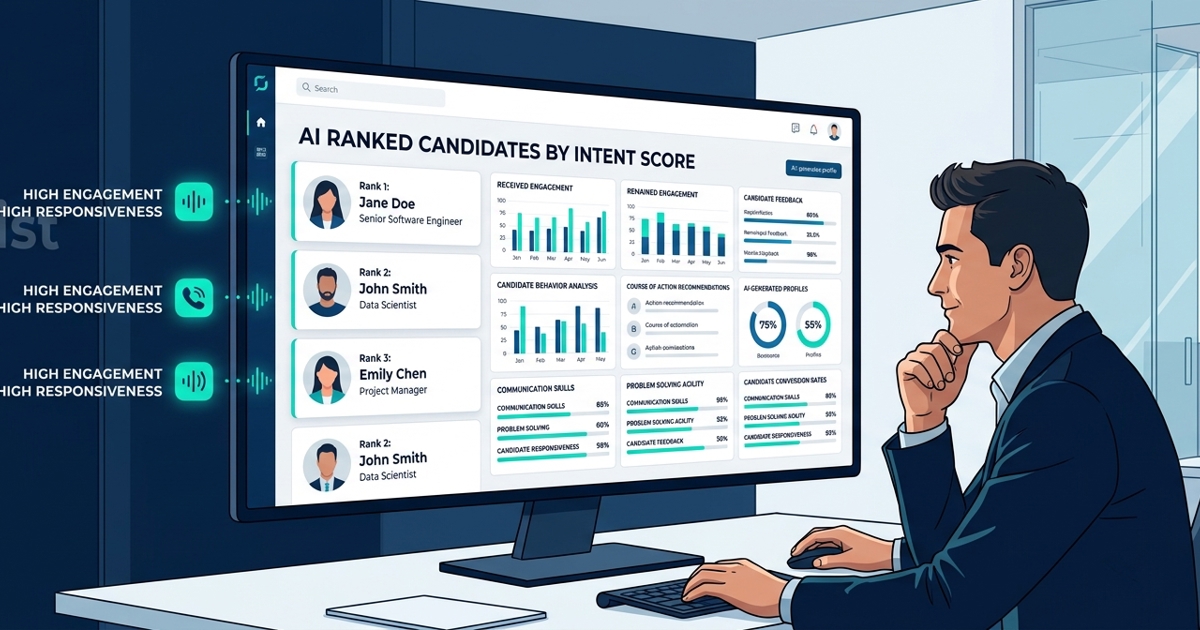
The ai hiring process goes beyond screening resumes. AI can identify which candidates are showing signs of disengagement based on behavioral signals, such as delayed responses, missed calls, or reduced interaction with messages. These signals allow recruiters to intervene early and re-engage candidates before they drop off entirely.
A strong hiring management system surfaces these insights automatically. Recruiters do not need to manually monitor every candidate. The platform flags at-risk candidates and recommends the next best action, whether that is a personal call, a revised offer timeline, or a status update message. This action-enabled approach means recruitment teams spend their time where it matters most rather than managing routine follow-up manually.
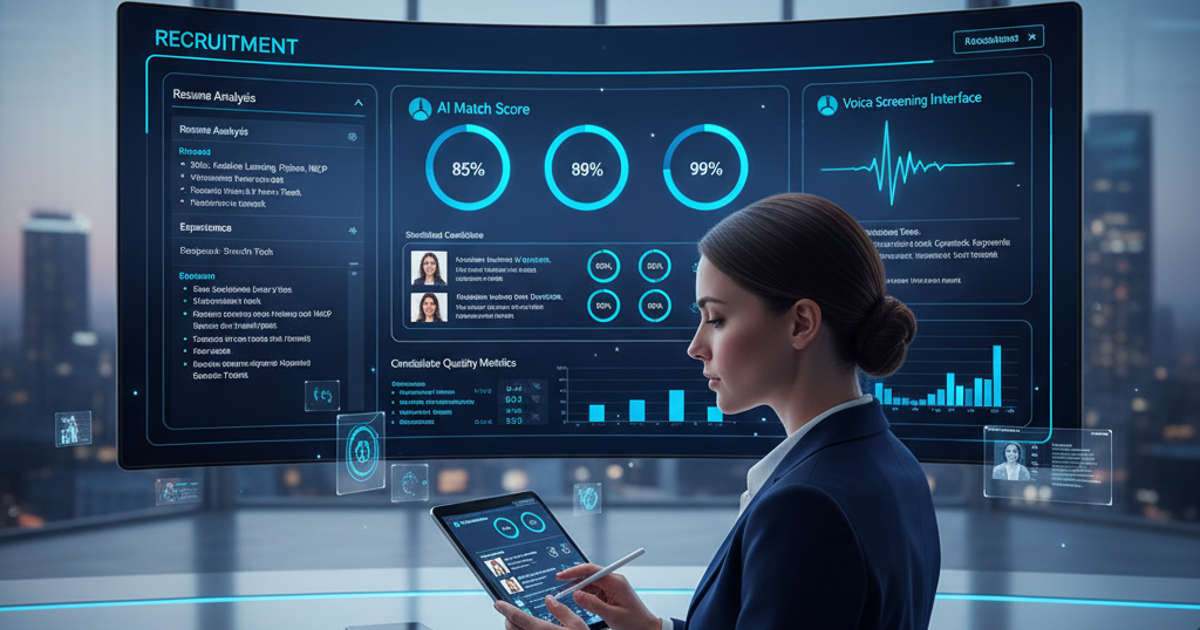
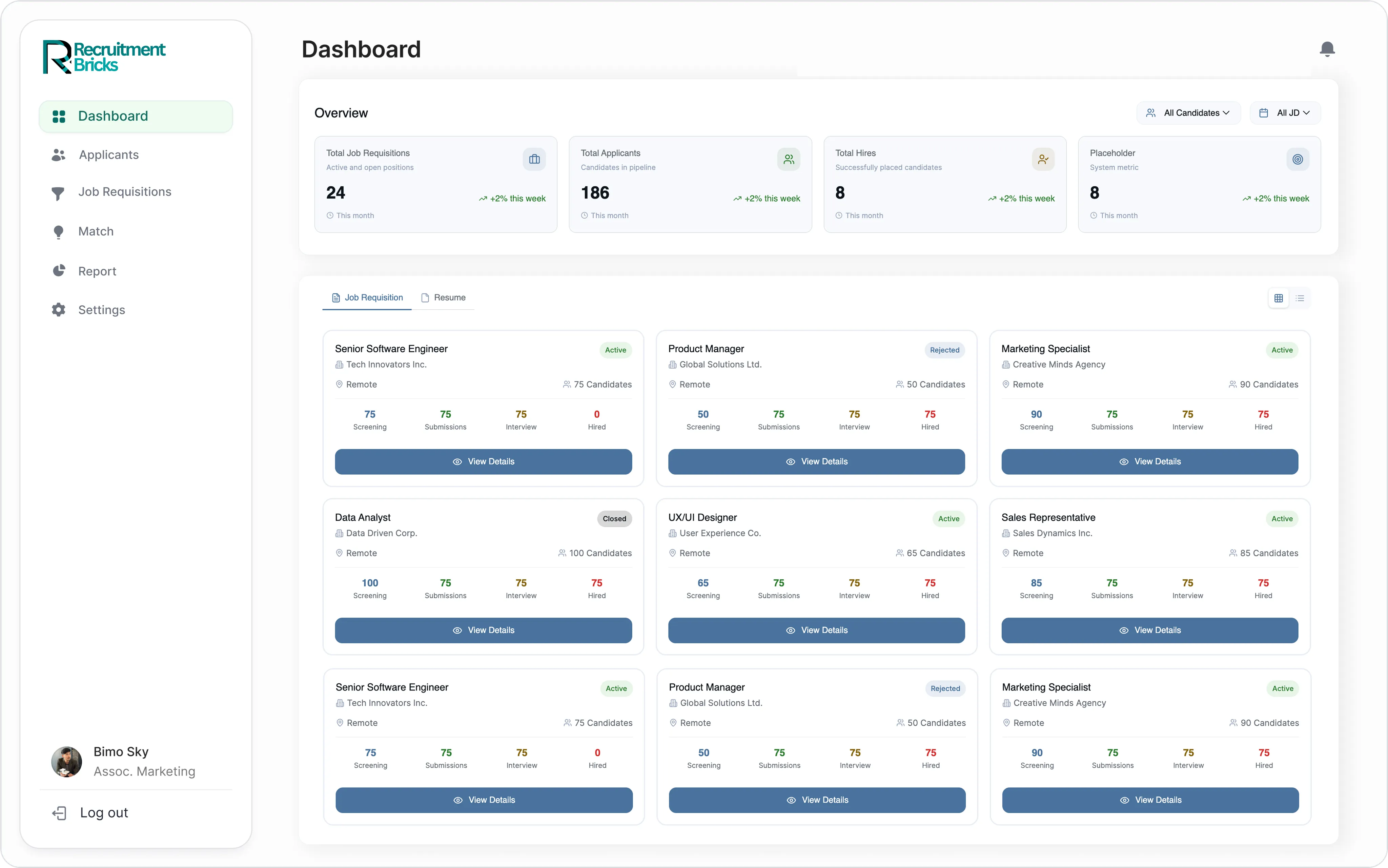
RecruitmentBricks is built around this philosophy. Its pipeline intelligence dashboards track engagement health in real time, giving talent acquisition teams a clear view of where drop-offs are most likely to occur. When integrated with existing ATS and hr hiring software, the platform creates a unified workflow where engagement data and pipeline data inform each other continuously. Businesses dealing with high-volume hiring can see how this approach works in practice through the AI recruitment software for enterprise teams overview.
Building Effective Candidate Engagement Strategies Across the Funnel
Preventing mid-funnel drop-offs requires more than a single automated message. It requires a structured set of candidate engagement strategies that address each stage of the hiring journey separately. What works at the screening stage is different from what works after the second interview.
Here are the key engagement practices that work across the funnel:
- Post-screening confirmation: Send an immediate message confirming the next step within minutes of completing a voice or written screening.
- Interview reminders: Automate reminders 24 hours and 1 hour before each scheduled interview to reduce no-shows.
- Stage transition updates: Notify candidates automatically whenever they move to the next stage, even if the message is brief.
- Feedback nudges: Share brief, constructive feedback after each round where possible. This builds trust and keeps candidates invested.
- Re-engagement triggers: Set automated outreach for candidates who have gone silent for more than three to five business days.
Each of these actions can be automated through a candidate engagement platform without requiring manual effort from recruiters. The cumulative effect is a candidate experience that feels attentive and professional, which directly reduces the likelihood of mid-funnel drop-offs.
How HR Hiring Software Connects Engagement to Outcomes
Many organizations still treat candidate engagement as a soft metric. It is often seen as a nice-to-have rather than a direct driver of hiring outcomes. This framing underestimates the operational impact of poor engagement. Every mid-funnel drop-off represents a sunk cost in sourcing, screening, and early interviews. Replacing a dropped candidate means starting that cost cycle over again.
HR hiring software that includes engagement analytics changes this framing. When teams can see exactly where candidates drop off, how long they wait between stages, and which communication channels produce the highest response rates, they can optimize their process with data rather than guesswork. RecruitmentBricks provides sourcing effectiveness measurement and engagement optimization dashboards that make these patterns visible and actionable.
Teams that use a dedicated platform with strong integrations can connect engagement data directly to their existing ATS or HRMS. This means every interaction a candidate has is logged, trackable, and reportable. The result is a hiring process that improves continuously based on real candidate behavior data rather than recruiter intuition alone.
Conclusion
Mid-funnel candidate drop-offs are one of the most preventable causes of hiring failure. A candidate engagement platform that combines automated outreach, AI-driven pipeline insights, and multi-channel communication keeps candidates informed and interested from screening through to offer. Whether you are managing high-volume hiring or a complex multi-stage process, consistent engagement is what separates a completed hire from a lost one. RecruitmentBricks is built to give talent acquisition teams exactly that capability. Request a demo to see how the platform can reduce drop-offs and strengthen your hiring outcomes.
FAQs
1: What is a candidate engagement platform and how does it work?
A candidate engagement platform automates communication between recruiters and candidates at every hiring stage. It sends timely messages, interview reminders, and status updates through channels like WhatsApp. This keeps candidates informed and reduces the chance of disengagement or mid-funnel drop-off during the hiring process.
2: Why do candidates drop off in the middle of the hiring process?
Candidates drop off mid-funnel primarily because of long silences between hiring stages, vague timelines, and impersonal communication. When candidates do not hear back within a reasonable period, they assume disinterest and pursue other opportunities. Consistent candidate engagement strategies directly address this problem and reduce attrition significantly.
3: How does a chatbot for recruitment automation reduce no-shows?
A chatbot for recruitment automation sends automated reminders before each scheduled interview, answers candidate questions around the clock, and confirms next steps immediately after each stage. This reduces the communication gaps that lead to no-shows and keeps candidates confident and prepared throughout the hiring journey.
4: Can an automated hiring platform replace human recruiters?
No. An automated hiring platform is designed to assist recruiters, not replace them. It handles repetitive communication tasks like reminders, status updates, and scheduling. This frees recruiters to focus on high-value interactions, such as relationship building, final interviews, and offer negotiations, where human judgment is most important.
5: What features should a hiring management system include for better engagement?
A strong hiring management system should include automated follow-up triggers, multi-channel outreach like WhatsApp and email, pipeline health dashboards, and engagement analytics. These features help recruiters spot at-risk candidates early and take action before they disengage, making the entire process more proactive and data-driven.
6: How does AI improve the hiring process for talent acquisition teams?
The ai hiring process uses behavioral signals to flag candidates showing signs of disengagement, such as delayed responses or missed calls, and then recommends the next best recruiter action. Teams attending recruitment and HR tech events often discover how AI-driven pipeline insights translate directly into faster, more efficient talent acquisition outcomes.
7: What is the best way to re-engage a candidate who has gone silent?
The most effective approach is a personalized outreach message through a familiar channel like WhatsApp, sent within three to five business days of the last contact. Acknowledge the gap, provide a clear update on timeline, and invite them to continue the conversation. Platforms with automated re-engagement triggers handle this without manual recruiter effort.
8: How does hr hiring software connect engagement data to hiring outcomes?
HR hiring software with engagement analytics shows where candidates drop off, how long they wait between stages, and which channels generate the best responses. This data helps teams optimize their process continuously. Recruiters interested in seeing these tools firsthand can schedule a personalized platform walkthrough to explore how engagement metrics translate into measurable hiring improvements.
9: Is WhatsApp an effective channel for candidate engagement?
Yes. WhatsApp has very high open and response rates compared to email for candidate communication. It is familiar, low-friction, and accessible on mobile devices. Using WhatsApp for interview confirmations, stage updates, and re-engagement messages makes the hiring process feel responsive and modern, especially for candidates applying to multiple roles at once.
10: How can recruiters measure the success of their candidate engagement strategies?
Recruiters can measure engagement success by tracking metrics like response rates per channel, time between stages, drop-off rates by funnel stage, and offer acceptance rates. Platforms with pipeline intelligence dashboards make these metrics visible in real time, helping teams identify weak points and improve their candidate engagement strategies continuously over time.