Automated Hiring Platform technology is reshaping how companies handle one of their most frustrating challenges: candidates who simply do not show up for interviews. Every recruiter knows the feeling. A promising candidate clears screening, confirms a slot, and then disappears on interview day. This single problem ripples across the entire hiring pipeline, wasting recruiter hours and delaying critical business decisions. This blog breaks down why no-shows happen, where traditional workflows fall short, and how automation can dramatically reduce drop-off before the first conversation even begins. Explore the features that help modern teams stay ahead of this problem.
Key Takeaways
- Candidate no-shows are a systemic problem rooted in poor communication and weak engagement, not just candidate behavior.
- An automated hiring platform uses reminders, chatbot interactions, and voice AI tools to maintain engagement throughout the pre-interview journey.
- Hiring automation software gives recruitment teams real-time visibility into candidate intent, making it easier to act before a no-show happens.
Why Candidates Drop Off Before Interviews
Understanding no-shows starts with understanding candidate psychology. When a candidate submits an application, their interest is often at its peak. But the window between application and interview can stretch for days or weeks. During that time, candidates receive competing offers, lose confidence, or simply forget about the opportunity.
Two primary reasons drive this drop-off.
Lack of Engagement After Application
Most candidates receive a confirmation email after applying and then hear nothing for several days. This silence creates uncertainty. A candidate left without updates naturally assumes the process is slow or that their application may not have been noticed. Without a steady stream of touchpoints, that initial enthusiasm fades quickly.
Research from SHRM consistently shows that candidate experience is a top driver of hiring outcomes. When candidates feel ignored, they disengage. This is where a strong candidate engagement platform becomes essential, keeping the conversation alive between application and interview.
Poor Communication and Scheduling Friction
Even when candidates are genuinely interested, friction kills commitment. If scheduling an interview requires multiple back-and-forth emails, candidates lose patience. If interview details arrive only once and in a long formal email, candidates forget key logistics.
Communication gaps are compounded when recruiters manage high volumes manually. A candidate tracking system without automated nudges means recruiters must chase candidates individually, which simply does not scale.
Why Traditional Hiring Workflows Fail
Traditional hiring workflows were not built for the speed and volume of modern recruitment. Most rely on manual follow-ups, static email templates, and spreadsheet-based tracking. These systems create bottlenecks at every stage.
When a recruiter manages dozens of open roles simultaneously, individually following up with every candidate before every interview becomes impossible. The result is that candidates fall through the cracks, and no-shows become a predictable outcome rather than an exception.
Beyond the recruiter workload, traditional systems offer no way to gauge candidate intent. There is no signal to indicate whether a candidate is still interested or has already accepted another offer. Without that intelligence, hiring teams react to no-shows after they happen rather than preventing them. AI recruitment software for enterprise teams addresses exactly these gaps by building intelligence into every stage of the pipeline.
How an Automated Hiring Platform Prevents No-Shows Before Interviews
An automated hiring platform tackles the no-show problem at its root by embedding engagement into every step between application and interview. Instead of relying on recruiters to remember every follow-up, the platform handles communication automatically, consistently, and at scale.
Automated Reminders and Follow-Ups
The most direct way to reduce no-shows before interviews is to remind candidates, and then remind them again. An automated hiring platform sends structured reminder sequences at defined intervals, such as 48 hours before the interview, 24 hours before, and the morning of the scheduled time. These reminders include all essential details: interview link, time, interviewer name, and what to prepare.
Beyond reminders, automated follow-ups confirm candidate intent. A simple confirmation prompt sent after scheduling, and again 24 hours before the interview, gives candidates a natural moment to reschedule if needed. This proactive communication dramatically reduces last-minute cancellations and silent drop-offs.
This is where candidate engagement strategies move beyond good intentions and into measurable results. When candidates feel supported through structured communication, they are far more likely to show up.
Chatbot for Recruitment Automation
A chatbot for recruitment automation extends the recruiter's presence beyond business hours. Candidates often have questions late in the evening or on weekends, and unanswered questions lead to doubts. Those doubts lead to no-shows.
Conversational AI chatbots can answer FAQs about the role, confirm interview details, help candidates reschedule, and collect updated availability without recruiter intervention. The interaction feels personal and responsive, which builds candidate confidence in the organization and the process.
At RecruitmentBricks, the platform's WhatsApp outreach capability allows for seamless candidate communication after voice screening. This keeps the relationship warm and reduces the cold silence that drives drop-off. View integrations to see how the platform connects with communication tools your team already uses.
Voice AI Screening Tools
A voice AI screening tool does more than screen candidates. It creates an early commitment moment that significantly reduces the likelihood of candidates dropping off before interviews. When a candidate completes a structured voice interview, they invest time and effort in the process. That investment raises the psychological cost of dropping out later.
RecruitmentBricks' VoiceBot conducts structured voice interviews with AI-driven scoring, generates custom questions based on the resume and job description, and qualifies candidates automatically. This early interaction creates a two-way relationship, giving candidates the sense that the company has invested in getting to know them. Candidates who feel valued are far less likely to ghost the next step.
The voice screening step also gives recruiters actionable data. Candidates who complete the voice round and confirm their availability signal genuine interest, allowing recruiters to prioritize follow-up efforts effectively.
Business Impact of Reducing Candidate No-Shows
Every no-show carries a real cost. Recruiters block time, interviewers clear their schedules, and hiring managers set expectations, all for a meeting that never happens. When this recurs across multiple roles and hiring cycles, it compounds into significant lost productivity and delayed hiring outcomes.
Reduced No-Shows Across the Pipeline
An automated hiring platform with smart reminders, chatbot support, and voice confirmations systematically reduces the number of candidates who drop off before interviews. When candidates receive consistent communication and feel engaged, their commitment to the process strengthens. The result is a more predictable interview pipeline with fewer wasted slots.
RecruitmentBricks reports that teams using the platform have seen notably faster time-to-hire. While individual results vary, the underlying driver is consistent: when engagement does not fall through the cracks, candidates stay in the pipeline longer and move through it faster.
Better Pipeline Efficiency for Recruitment Teams
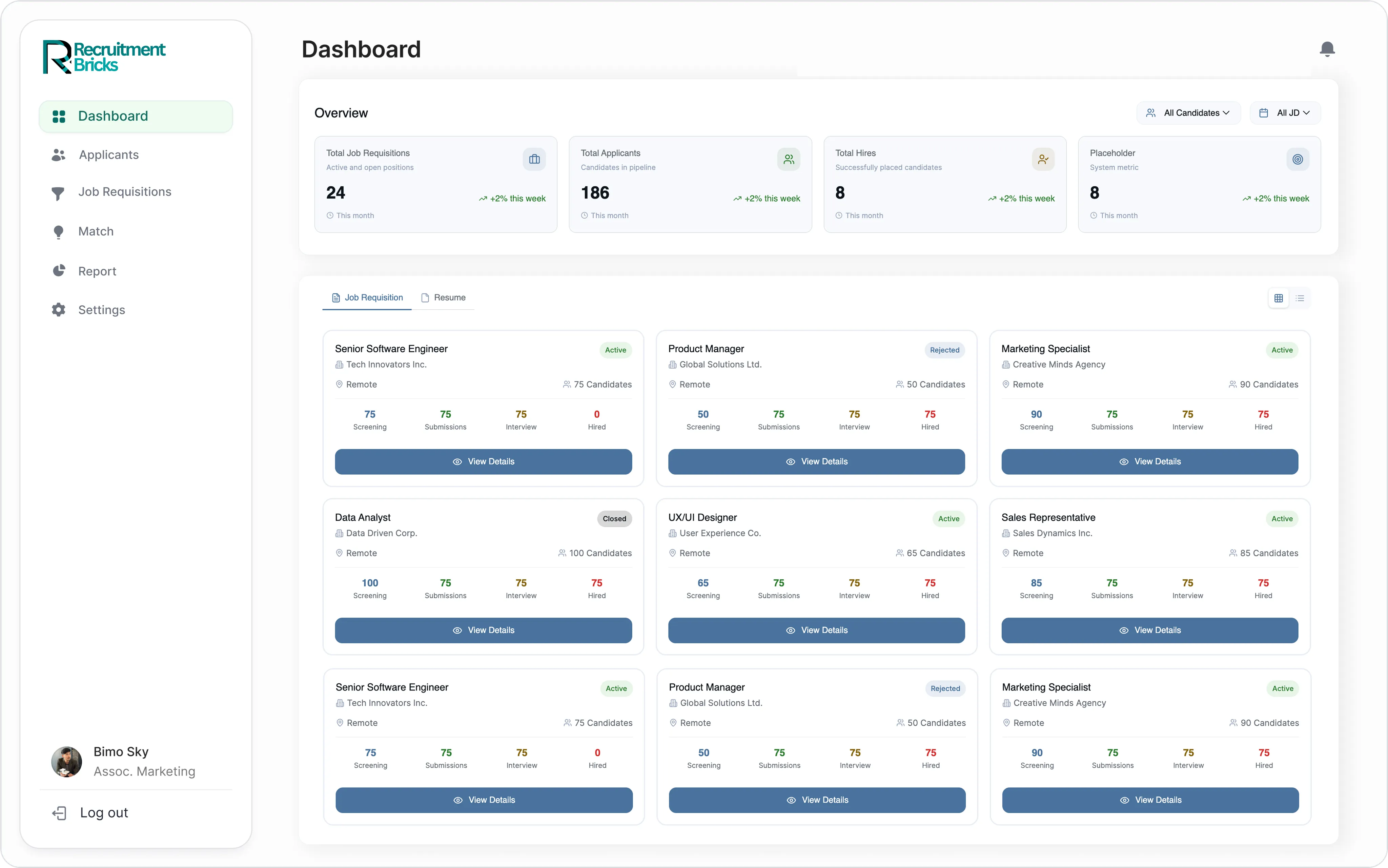
When fewer candidates drop off, recruiters spend less time back-filling cancelled slots and more time on higher-value decisions. A reliable candidate tracking system gives real-time visibility into which candidates are engaged, which are at risk, and where in the process they are currently sitting.
This visibility enables smarter prioritization. Recruiters can focus outreach on at-risk candidates rather than blanket follow-ups. Hiring managers get more accurate forecasts. The entire team operates with greater confidence and less reactive scrambling.
This is why integrating hiring automation software into the recruitment stack is increasingly viewed as a necessity rather than a luxury for teams managing competitive talent pipelines.
Key Features to Look For in an Automated Hiring Platform
Not all automation tools are built equally. When evaluating an automated hiring platform to prevent candidate no-shows before interviews, prioritize features that directly address the engagement gap between application and interview.
- Multi-channel automated reminders: SMS, email, and WhatsApp reminders sent at scheduled intervals before the interview.
- Conversational chatbot for recruitment automation: Available around the clock to answer questions, confirm details, and handle rescheduling requests.
- Voice AI screening tool: Structured voice interviews that qualify candidates early and create commitment before the in-person or video interview.
- Real-time candidate tracking system: Dashboard visibility into candidate status, engagement levels, and potential drop-off signals.
- ATS and HRMS integration: Connects with existing tools to avoid data silos and ensure consistent communication across the recruitment workflow.
- Action-enabled pipeline intelligence: Surfaces the next best action for recruiters so no candidate falls through the cracks.
These features work together to create a seamless pre-interview experience that keeps candidates informed, engaged, and committed to showing up. Platforms like RecruitmentBricks are built around exactly this philosophy, combining AI-driven automation with human oversight to make hiring more reliable. Request a demo to see how these features work in practice.
Conclusion
Candidate no-shows before interviews are not inevitable. They are the predictable outcome of communication gaps and disengaged hiring workflows. An automated hiring platform closes those gaps by delivering consistent reminders, enabling conversational AI interactions, and building commitment through voice screening. The result is a more reliable hiring pipeline where recruiters spend less time chasing candidates and more time making great hires. For teams ready to move from reactive to proactive recruitment, hiring automation software is the clearest path forward. Learn more about how RecruitmentBricks is helping organizations build predictable, high-performing hiring pipelines today.
FAQs
1: What is an automated hiring platform and how does it work?
An automated hiring platform uses AI tools, chatbots, and scheduled workflows to manage candidate communication, reminders, and screening without manual recruiter input. It keeps candidates engaged from application through to interview, reducing drop-off at every stage of the hiring pipeline.
2: How does a candidate engagement platform reduce no-shows?
A candidate engagement platform sends timely reminders, answers candidate questions through chatbots, and confirms interview intent automatically. By maintaining consistent communication, it keeps candidates informed and emotionally invested in the process, making them far less likely to ghost on interview day.
3: What role does a chatbot for recruitment automation play in preventing no-shows?
A chatbot for recruitment automation provides around-the-clock support, helping candidates reschedule, get answers, and confirm their interview slots without waiting for a recruiter. This responsiveness builds trust and reduces the uncertainty that often causes candidates to disengage before their scheduled interview.
4: How does a voice AI screening tool improve candidate commitment?
A voice AI screening tool creates an early investment moment. When candidates complete a structured voice interview, they spend time and effort engaging with the process. That investment raises their psychological commitment, making them significantly more likely to attend the next interview stage.
5: Can hiring automation software work with existing ATS systems?
Yes, most hiring automation software is designed to integrate with existing ATS, HRMS, and CRM tools. Platforms like RecruitmentBricks offer Google integration and other connections to ensure automated workflows fit seamlessly into your current recruitment stack without disrupting existing processes.
6: What are the most effective candidate engagement strategies before an interview?
The most effective candidate engagement strategies include multi-channel reminders, personalized chatbot interactions, voice screening to build early rapport, and real-time pipeline tracking. Combining these approaches ensures candidates remain informed, valued, and motivated to follow through with their scheduled interview appointments consistently.
7: How does a candidate tracking system help reduce pipeline drop-off?
A candidate tracking system provides real-time visibility into each candidate's engagement level and pipeline stage. Recruiters can identify at-risk candidates early and trigger targeted outreach before a no-show occurs, making teams that rely on AI-powered recruitment features significantly more proactive in managing their pipelines.
8: What is the cost of candidate no-shows for a recruitment team?
Each no-show wastes recruiter time, blocks interviewer calendars, and delays the entire hiring cycle. When multiplied across multiple roles, the cost includes lost productivity, delayed business decisions, and reduced morale. Implementing an automated hiring platform is one of the most effective ways to prevent this recurring problem.
9: How do automated reminders improve interview attendance rates?
Automated reminders sent at 48-hour, 24-hour, and same-day intervals ensure candidates have all the information they need and are prompted to confirm attendance. This structured approach removes the excuse of forgetting and gives candidates a natural opportunity to reschedule rather than simply not showing up.
10: Is voice AI screening suitable for high-volume hiring?
Absolutely. Voice AI screening tools are specifically designed to handle high-volume hiring efficiently. They conduct structured interviews at scale without recruiter involvement, qualify candidates automatically, and surface the strongest prospects, making them one of the highest-impact capabilities available through AI-driven hiring tools today.