The Hiring Decision Isn’t Always About the Best Resume
Why a Perfect Interview Still Ends in Rejection
Sarah had done everything right. She tailored her resume line by line, matched every keyword in the job description, and walked into the interview prepared for anything. The conversation went well; she answered every question with ease, and the hiring manager smiled, nodded, and said, “We’ll be in touch soon.”
Three days later, the rejection email arrived: “We’ve decided to move forward with another candidate.”
She read it twice, searching for a reason that made sense. For many candidates, this is a familiar experience: a positive interview, a few days of silence, and then a rejection email with little explanation. Her skills matched. So what didn’t?
Why Qualified Candidates Get Rejected
Here’s what most job seekers don’t realize: hiring decisions are rarely just about who has the best resume. They’re about who best fits a very specific, often unspoken need at a very specific moment in time.
Two candidates can look nearly identical on paper. But one may have worked with the exact clients, tools, or industry the company already knows. In that comparison, “qualified” stops being the deciding factor. Sometimes the strongest candidate on paper isn’t the candidate the company needs most at that particular moment.
The Hidden Hiring Factors Candidates Never See
A job description only tells half the story. Behind every posting are budgets that shift, deadlines that move up, and team gaps no outsider can see. Maybe the company suddenly needs someone who can start in a week, not a month. Maybe an internal employee was already being considered. Maybe the requirements changed halfway through, and nobody told the candidates.
None of this shows up in the listing or the interview; it just shows up, invisibly, in the final decision. In some cases, unconscious bias can also influence decisions, favoring familiarity over capability without anyone even realizing it.
How Rejection Quietly Erodes a Candidate’s Confidence
This is where the real damage happens: not in the rejection itself, but in what it does afterwards. Sarah didn’t just lose an opportunity; she lost confidence in her own judgement, rewriting her resume for the tenth time and wondering if she was somehow the problem.
Sarah’s experience isn’t unique. Every day, thousands of candidates walk away from interviews wondering what went wrong, often without ever knowing the real reason behind the decision. Not because people aren’t good enough, but because the reasons behind rejection are almost never made visible.
The Right Match Beats the Best Resume
Sarah did get an offer eventually from a company whose process picked up on things she’d never have thought to highlight herself: a niche tool she’d used only briefly and a client industry she’d almost left off her resume entirely.
She didn’t get the job because of the best resume.
She got it because of the right match.
For job seekers, this can be frustrating because the hiring process often feels like a test of ability. In reality, it’s often a search for fit. A rejection doesn’t automatically mean another candidate was smarter, more talented, or more experienced. It may simply mean their background aligned more closely with what the company needed at that moment.
That’s the real lesson hidden in every rejection email: it’s hardly ever a verdict on your worth. It’s a mismatch of timing, context, or visibility.
Why Reverse Resume Matching Changes the Odds
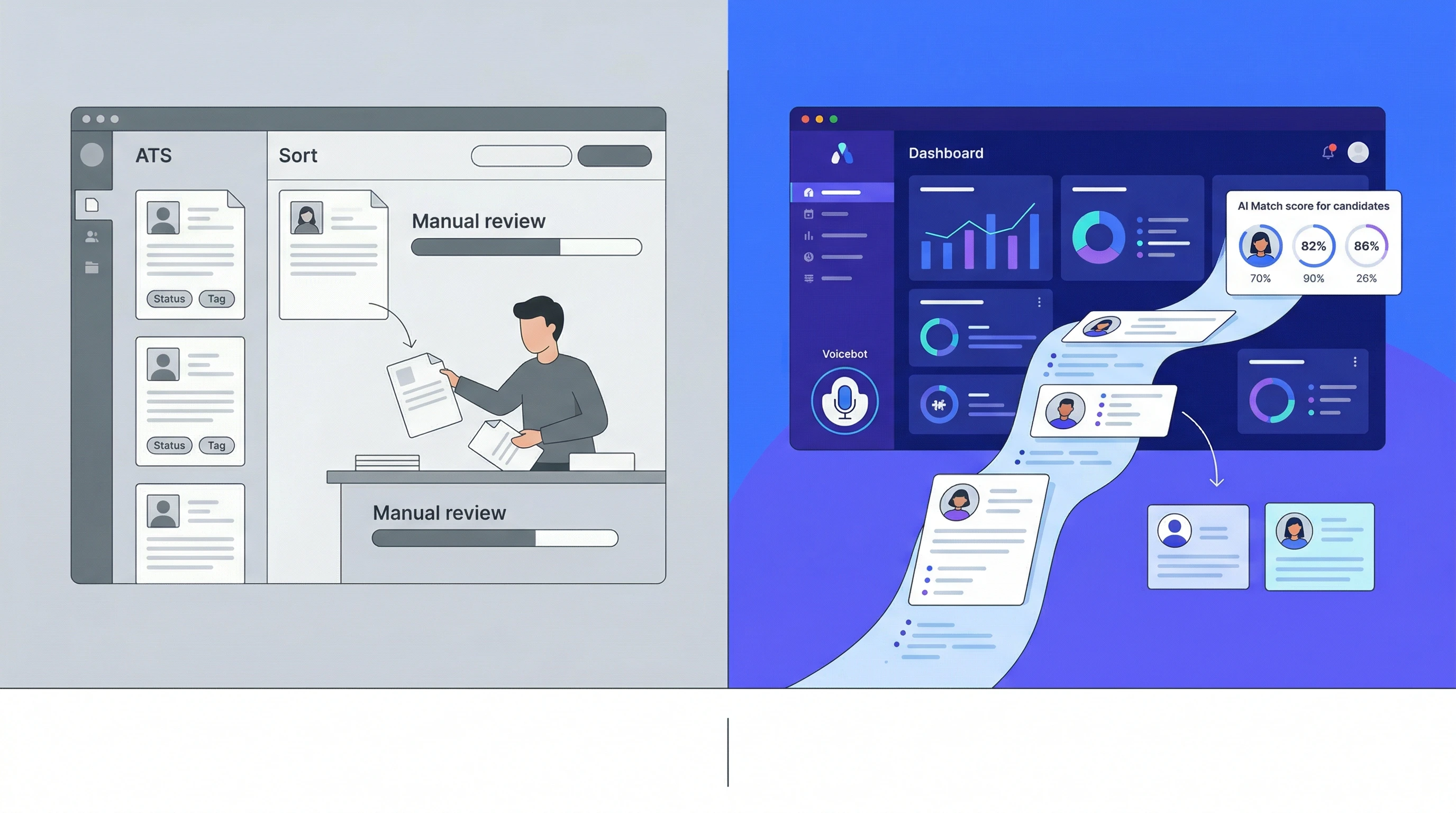
This is where reverse resume matching makes the biggest difference. Instead of only evaluating people who actively applied, it works the other way, scanning existing profiles and past applicants to surface candidates who are a strong fit for a role, even if they never saw the listing or thought to apply. It’s often the difference between hiring from a limited pool of applicants and discovering candidates who might have been overlooked despite being an excellent fit for the role.
Frequently Asked Questions
Why did I get rejected after a good interview?
A great interview doesn't guarantee an offer. Hiring decisions are also influenced by timing, existing internal candidates, budget changes, and team fit—things that have nothing to do with how well the interview went.
Is hiring biased, and does reverse matching help?
Unconscious bias in hiring is well documented, often favoring familiar backgrounds. Reverse resume matching widens the pool beyond active applicants, surfacing strong fits that traditional screening would otherwise miss.